




Understanding Love Languages to Strengthen Your Bond
The foundation of any successful and enduring relationship rests upon a bedrock of mutual understanding and effective communication. While verbal communication plays a crucial role, the nuances of expressing and receiving affection often transcend mere words. Dr. Gary Chapman's concept of "Love Languages" provides a valuable framework for understanding how individuals express and experience love, offering a roadmap for strengthening bonds and fostering deeper connection.
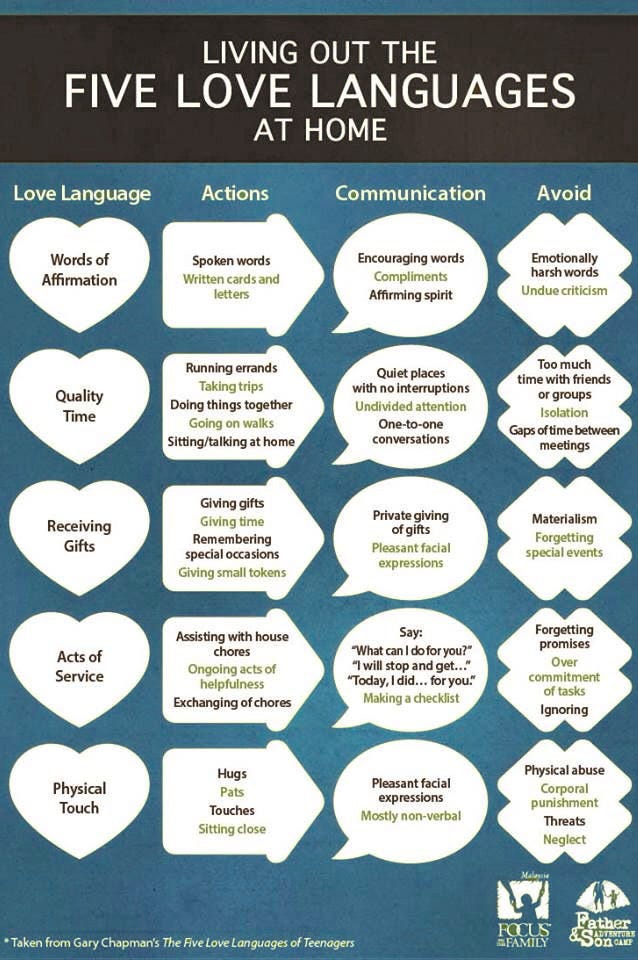
This framework posits that individuals primarily express and perceive love through five distinct "languages": Words of Affirmation, Acts of Service, Receiving Gifts, Quality Time, and Physical Touch. Understanding your own love language, as well as that of your partner, is paramount to nurturing a healthy and fulfilling relationship. Failing to recognize and appreciate these individual preferences can lead to misunderstandings, unmet emotional needs, and ultimately, relational strain.
The Five Love Languages: A Detailed Examination
Each love language represents a unique way of expressing and experiencing love. While individuals may exhibit a preference for one primary language, they may also understand and appreciate expressions of love in other languages to varying degrees. It's crucial to remember that this is not a rigid system, but rather a helpful tool for self-reflection and improved communication.
Words of Affirmation
For those whose primary love language is Words of Affirmation, verbal expressions of love, appreciation, and encouragement hold significant weight. This isn't merely about compliments, but encompasses sincere expressions of affection, gratitude, and support. A simple "I love you," a heartfelt thank you, or an encouraging word can profoundly impact individuals who value this language.
Examples of expressing love through Words of Affirmation include:
- Writing love letters or heartfelt notes.
- Giving compliments and expressing appreciation.
- Offering words of encouragement and support during challenging times.
- Verbally expressing affection and commitment.
- Leaving positive and encouraging messages.
Acts of Service
Individuals who prioritize Acts of Service demonstrate their love through helpful actions and practical assistance. They show their care not through words or gifts, but through tangible acts that alleviate burdens and lighten the load. These acts are not merely chores, but intentional gestures of love and support.
Examples of expressing love through Acts of Service include:
- Helping with household chores or errands.
- Taking on responsibilities to alleviate stress.
- Offering assistance during times of need.
- Performing thoughtful gestures to make life easier.
- Proactively addressing your partner's needs.
Receiving Gifts
The love language of Receiving Gifts isn't about the monetary value of the present, but rather the thoughtfulness and intention behind the gift itself. It signifies that the giver took the time and effort to select something meaningful, demonstrating their care and consideration. The gift itself serves as a tangible reminder of the giver's affection.
Examples of expressing love through Receiving Gifts include:
- Giving thoughtful and personalized gifts.
- Presenting small tokens of affection.
- Surprising your partner with a small gift.
- Remembering special occasions and anniversaries.
- Selecting gifts that reflect your partner's interests.
Quality Time
For those who value Quality Time, undivided attention and focused engagement are paramount. It's about creating meaningful moments together, free from distractions, where genuine connection and shared experiences are prioritized. This signifies a deep commitment to spending valuable time together, fostering intimacy and strengthening the bond.
Examples of expressing love through Quality Time include:
- Scheduling dedicated time for uninterrupted conversation.
- Engaging in shared activities and hobbies.
- Planning special dates and outings.
- Putting away distractions and focusing solely on your partner.
- Having meaningful conversations and actively listening.
Physical Touch
Physical Touch encompasses a wide range of affectionate gestures, from holding hands and cuddling to more intimate expressions of love. This love language emphasizes the importance of physical closeness and affection as a means of expressing care and connection. The physical touch conveys comfort, security, and intimacy.
Examples of expressing love through Physical Touch include:
- Holding hands, hugging, and cuddling.
- Giving massages or back rubs.
- Kissing and other forms of physical affection.
- Physical closeness and intimacy.
- Non-sexual touch like a hand on the shoulder or arm.
Identifying Your Love Language and Your Partner's
Understanding your own love language is a crucial first step. Reflect upon how you most naturally express and receive love. Consider what makes you feel truly cherished and appreciated. There are numerous online quizzes and assessments available to assist in this process.
Once you've identified your own love language, focus on understanding your partner's. Observe their actions, their reactions to your expressions of love, and their verbal cues. Open and honest communication is essential. Engage in conversations about how you both feel loved and appreciated. Be mindful of how your expressions of love are being received, and be willing to adapt your approach accordingly.
Bridging the Gap: Using Love Languages to Enhance Your Relationship
Recognizing discrepancies in love languages can be a source of conflict. If one partner primarily expresses love through Acts of Service while the other values Words of Affirmation, the former may feel unappreciated, while the latter may feel unloved. This is where intentional effort and understanding come into play.
The key is to learn to speak each other's love languages, even if it's not your natural inclination. Make a conscious effort to express love in ways your partner will understand and appreciate. It's about expanding your repertoire of expressing affection, rather than solely relying on your preferred method. This demonstrates empathy, consideration, and a commitment to nurturing the relationship.
Conclusion: A Foundation for Lasting Love
Understanding and utilizing the concept of Love Languages is not a quick fix for relational problems, but rather a powerful tool for building a stronger, more fulfilling relationship. It requires self-awareness, empathy, and a commitment to intentional communication. By learning to speak each other's love languages, couples can cultivate deeper intimacy, strengthen their bond, and create a foundation for lasting love. The effort invested in understanding this framework will yield significant rewards in fostering a relationship built on mutual understanding, appreciation, and enduring connection.
Remember, the journey of understanding and applying love languages is an ongoing process. Continuous self-reflection, open communication, and a willingness to adapt and grow together are vital components in cultivating a relationship that thrives on mutual love and respect.


No comments:
Post a Comment
Note: Only a member of this blog may post a comment.