




Cultivating Self-Compassion: A Formal Examination of Kindness Towards the Self
The pursuit of self-improvement often emphasizes external validation and the relentless striving for perfection. However, a crucial, yet frequently overlooked, component of well-being lies in the cultivation of self-compassion. This practice, far from being self-indulgent, represents a powerful tool for navigating the inevitable challenges and setbacks inherent in the human experience. This article will explore the multifaceted nature of self-compassion, delving into its theoretical underpinnings, practical applications, and demonstrable benefits for both mental and physical health.
Understanding the Construct of Self-Compassion
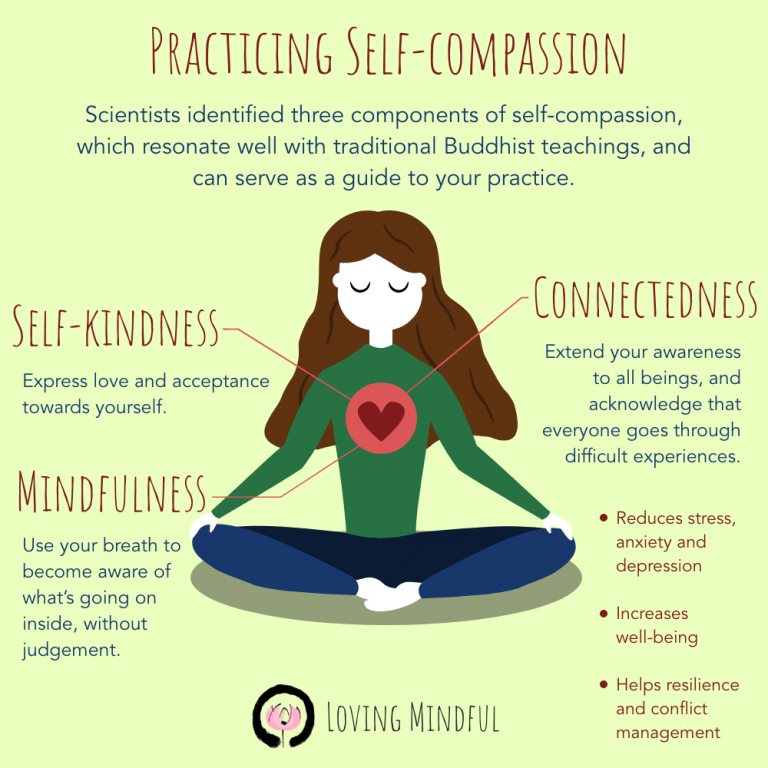
Self-compassion, as conceptualized by Kristin Neff, comprises three core components: self-kindness, common humanity, and mindfulness.
Self-Kindness: The Balm of Gentle Treatment
Self-kindness involves treating oneself with the same understanding, concern, and patience that one would offer a close friend struggling with similar difficulties. It's about replacing self-criticism and harsh self-judgment with a compassionate internal dialogue. Instead of berating oneself for imperfections or failures, the focus shifts to offering encouragement, empathy, and acceptance. This doesn't imply condoning harmful behaviors; rather, it fosters a supportive environment conducive to growth and change.
Common Humanity: Recognizing Shared Imperfections
The second facet of self-compassion acknowledges the universal nature of suffering and imperfection. Recognizing that everyone experiences setbacks, failures, and moments of inadequacy helps to lessen the feeling of isolation and shame that often accompanies personal struggles. Understanding that our struggles are shared experiences reduces the sense of being alone in our suffering and allows for a more balanced perspective on our own challenges.
Mindfulness: Observing Emotions Without Judgment
Mindfulness, in the context of self-compassion, involves observing one's thoughts and emotions without judgment or excessive reactivity. This entails acknowledging difficult feelings without getting swept away by them. By cultivating a non-judgmental awareness of our internal experiences, we can respond to suffering with compassion rather than becoming overwhelmed by it. This mindful awareness allows us to approach our pain with understanding and empathy, fostering a sense of emotional regulation.
The Benefits of Cultivating Self-Compassion
Empirical evidence consistently supports the profound benefits of self-compassion across various domains of well-being.
Enhanced Emotional Regulation
Self-compassion acts as a buffer against negative emotions such as anxiety, depression, and shame. By responding to setbacks with kindness and understanding rather than harsh self-criticism, individuals are better equipped to manage difficult feelings and prevent them from escalating into overwhelming distress. This improved emotional regulation contributes to greater psychological resilience and stability.
Improved Self-Esteem and Self-Acceptance
Unlike self-esteem, which is contingent upon external validation and achievement, self-compassion fosters a sense of inherent worthiness that is independent of external factors. By accepting our imperfections and acknowledging our shared humanity, we cultivate a more realistic and compassionate view of ourselves, leading to increased self-acceptance and a more robust sense of self-worth. This enhanced self-acceptance promotes a healthier relationship with oneself, free from the constant pressure to meet unrealistic expectations.
Reduced Stress and Improved Physical Health
Chronic self-criticism and negative self-judgment contribute significantly to stress and its associated physical consequences. Self-compassion, on the other hand, has been shown to reduce stress hormones, improve cardiovascular health, and strengthen the immune system. By fostering a sense of calm and acceptance, self-compassion promotes both mental and physical well-being, creating a positive feedback loop of improved health and resilience.
Increased Motivation and Goal Achievement
Counterintuitively, self-compassion can actually enhance motivation and goal achievement. While self-criticism often leads to feelings of discouragement and avoidance, self-compassion fosters a more constructive approach to setbacks. By viewing failures as opportunities for learning and growth, rather than evidence of personal inadequacy, individuals are more likely to persevere in the face of challenges and maintain their commitment to their goals. This compassionate self-approach allows for more effective self-regulation and greater resilience in the pursuit of personal objectives.
Practical Strategies for Cultivating Self-Compassion
Cultivating self-compassion is a process that requires consistent effort and practice. The following strategies can facilitate the development of this crucial skill:
Mindful Self-Compassion Exercises
Various exercises, such as guided meditations and self-compassionate letter-writing, can be employed to cultivate self-kindness, common humanity, and mindfulness. These exercises involve consciously directing compassionate thoughts and feelings toward oneself, acknowledging shared vulnerabilities, and observing one's internal experiences with non-judgmental awareness. Regular practice of these exercises can gradually rewire neural pathways, strengthening the capacity for self-compassion.
Self-Compassionate Language
Pay attention to your inner dialogue. Replace self-critical statements with more compassionate and understanding ones. Instead of saying "I'm so stupid," try "I made a mistake, and everyone makes mistakes." This conscious shift in language can significantly impact your emotional state and foster a more supportive internal environment.
Focusing on Self-Care
Engaging in activities that nourish your physical, emotional, and spiritual well-being is crucial. This might involve regular exercise, healthy eating, sufficient sleep, spending time in nature, pursuing hobbies, or engaging in meaningful social connections. Prioritizing self-care demonstrates a commitment to your own well-being and provides a foundation for cultivating self-compassion.
Seeking Support
Don't hesitate to reach out for support from trusted friends, family members, or mental health professionals. Sharing your struggles and receiving empathy from others can significantly enhance your ability to extend compassion to yourself. Professional guidance can provide valuable tools and strategies for cultivating self-compassion and addressing underlying mental health concerns.
In conclusion, the cultivation of self-compassion represents a significant step towards improved mental and physical well-being. By fostering self-kindness, recognizing common humanity, and practicing mindfulness, individuals can navigate life's inevitable challenges with greater resilience, emotional regulation, and a profound sense of self-acceptance. The consistent application of the strategies outlined above can pave the way for a more fulfilling and compassionate relationship with oneself, ultimately enhancing overall quality of life.


No comments:
Post a Comment
Note: Only a member of this blog may post a comment.