Long Distance Relationships: Reconnecting with Your Ex

Long Distance Relationships: Reconnecting with Your Ex

Reconnecting with an Ex After a Long-Distance Relationship: Navigating the Complexities

Long-distance relationships (LDRs) present unique challenges, often culminating in separation. The emotional toll of geographical distance, coupled with limited physical intimacy and the difficulties of maintaining consistent communication, can strain even the strongest bonds. While the decision to part ways is often final, circumstances can lead individuals to reconsider their past relationships. Reconnecting with an ex after a long-distance relationship requires careful consideration, self-reflection, and a pragmatic approach to navigate the complex emotional landscape.

Understanding the Reasons for Separation

Before attempting any reconciliation, a thorough understanding of the reasons for the initial separation is crucial. Was the distance the primary factor, or were other underlying issues at play? Identifying these root causes is paramount to determining whether a renewed relationship has a realistic chance of success. Frequently, distance exacerbates existing problems rather than creating them. Ignoring these underlying issues will only lead to a repetition of the same conflicts in the future, regardless of the geographical proximity.

Identifying Underlying Issues

Common underlying issues that can contribute to the failure of LDRs include:

  • Lack of intimacy: The absence of physical intimacy can erode emotional connection over time.
  • Communication difficulties: Misunderstandings and misinterpretations are more likely to occur through digital communication.
  • Jealousy and insecurity: The lack of visibility into each other's daily lives can fuel insecurities and suspicion.
  • Differing life goals and priorities: Distance can highlight incompatible life goals and aspirations.
  • Lack of shared experiences: Limited opportunities to create shared memories and experiences can weaken the bond.
  • Financial strain: The costs associated with travel and communication can put a significant strain on the relationship.

Honest self-reflection on these factors is essential for both individuals involved. Journaling, therapy, or discussions with trusted friends or family members can provide valuable insights into the contributing factors and personal responsibility.

Initiating Contact and Gauging Interest

Once a thorough self-assessment is complete, initiating contact requires sensitivity and respect. A casual and friendly initial approach is advisable, avoiding overt declarations of love or intentions to rekindle the romance. The goal is to gauge the ex-partner's current emotional state and willingness to reconnect. The initial communication should be brief, focusing on general well-being and shared memories, rather than dredging up past grievances.

The Importance of Gradual Re-engagement

Rushing into deep conversations or intense emotional interactions can be counterproductive. Begin with low-stakes interactions â€" a brief text message, a casual email, or a phone call â€" to ascertain their receptiveness. Observe their responses carefully. If they seem hesitant or unresponsive, it's crucial to respect their boundaries and refrain from further pursuit.

Rebuilding Trust and Communication

If the initial contact is positive and both parties express a willingness to reconnect, rebuilding trust and establishing healthy communication patterns is paramount. This process requires patience, transparency, and a willingness to address past issues constructively. Open and honest communication about past hurts and unresolved conflicts is essential to fostering a healthier dynamic. This may involve seeking professional guidance from a therapist specializing in relationship counseling.

Addressing Past Conflicts

It is imperative to address the root causes of the initial breakup. Avoid blaming or defensiveness. Focus on understanding each other's perspectives and taking responsibility for past mistakes. A willingness to actively listen, empathize, and compromise is crucial for establishing a foundation of mutual respect and trust.

Navigating the Challenges of a Renewed LDR

Even with a renewed commitment, the challenges of a long-distance relationship remain. To mitigate these difficulties, proactive measures are necessary:

  • Establishing clear communication strategies: Schedule regular video calls, phone calls, and text messages to maintain consistent contact.
  • Planning regular visits: Frequent visits are crucial to maintain intimacy and prevent feelings of isolation.
  • Creating shared experiences: Engage in shared activities remotely, such as watching movies together online or playing online games.
  • Building a strong support system: Surround yourselves with supportive friends and family who understand the challenges of LDRs.
  • Setting realistic expectations: Acknowledge that maintaining an LDR requires significant effort and commitment from both partners.
  • Addressing financial implications: Openly discuss the financial costs associated with travel and communication to avoid future conflicts.

A renewed LDR requires a significant commitment from both individuals. Open communication, mutual respect, and a proactive approach to addressing challenges are crucial for success. Without these elements, the relationship is likely to succumb to the same pressures that led to its initial dissolution.

Seeking Professional Guidance

Considering professional guidance from a therapist or counselor specializing in relationship dynamics, especially LDRs, can be immensely beneficial. A neutral third party can offer valuable insights, facilitate constructive communication, and provide tools for conflict resolution and relationship maintenance. This support can help navigate the complexities of reconnecting and building a stronger, more sustainable relationship.

Conclusion

Reconnecting with an ex after a long-distance relationship is a complex endeavor that demands careful consideration, self-reflection, and a pragmatic approach. While the possibility of rekindling a relationship exists, it requires a thorough understanding of the reasons for the initial separation, a commitment to addressing underlying issues, and a proactive strategy for navigating the ongoing challenges of maintaining an LDR. With careful planning, open communication, and a willingness to invest the necessary effort, a successful reconciliation is possible. However, it is crucial to prioritize personal well-being and recognize that not all relationships are meant to be rekindled. Respecting personal boundaries and accepting the possibility of non-reconciliation are vital components of the process.
Share:

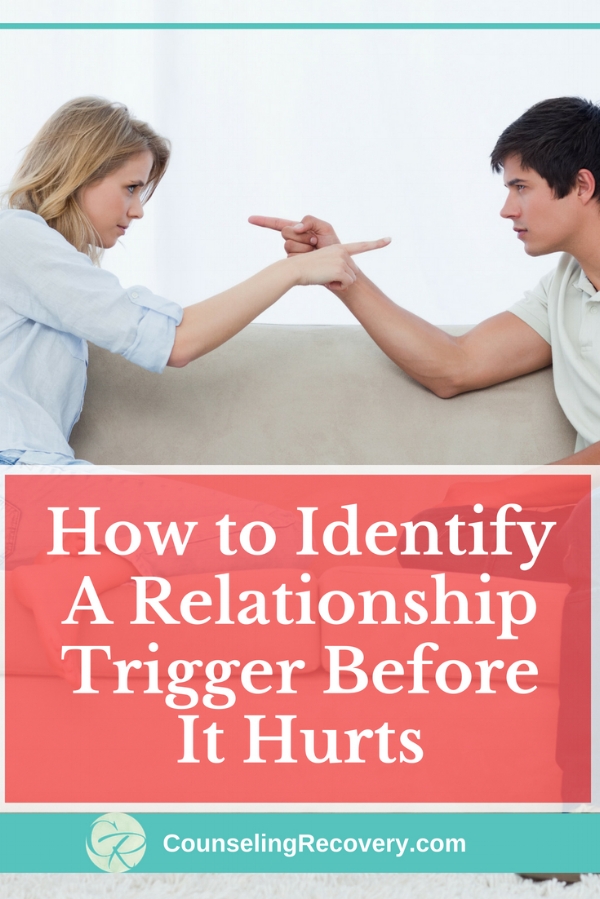
How to Handle Triggers After a Relationship Ends

How to Handle Triggers After a Relationship Ends

Navigating the Trigger Minefield: Coping with Triggers After a Breakup

So, your relationship ended. Whether it was a mutual decision, a messy breakup, or a slow fade-out, the aftermath can feel like navigating a minefield of triggers. Everything â€" songs, places, even the smell of their favorite coffee â€" can send you spiraling back to the pain and heartache. It's totally normal to feel this way, believe me. Breakups are tough, and triggers are a sneaky part of the healing process. But guess what? You *can* navigate this, and you *will* get through it. This isn't a race, it's a marathon, and I'm here to help you pace yourself.

Understanding Your Triggers

First things first: let's talk about what triggers actually are. They're essentially anything that reminds you of your ex and sends a wave of emotions your way â€" sadness, anger, jealousy, longing, you name it. These can be anything from obvious things like photos and shared possessions to more subtle ones, like certain songs, smells, or even specific times of day. The key is to identify *your* personal triggers.

Identifying Your Personal Triggers

Take some time to reflect. Journaling can be incredibly helpful here. Write down everything that makes you think of your ex, even if it seems insignificant at first. Maybe it's a particular restaurant, a specific phrase they used, or a certain type of music. The more you consciously identify these triggers, the better equipped you'll be to handle them.

Common Types of Triggers

To give you a head start, here are some common triggers people experience after a breakup:

  • Places: Restaurants, bars, parks, or even your own home if you shared it.
  • Objects: Gifts, photos, clothing, shared possessions.
  • Songs: Songs you listened to together or that remind you of specific memories.
  • People: Mutual friends, people who remind you of your ex.
  • Activities: Hobbies you shared, places you frequented together.
  • Smells: Their perfume or cologne, the scent of their favorite candle.
  • Social Media: Seeing their posts, stories, or updates.

Strategies for Managing Triggers

Now that you have a better understanding of what triggers you, let's dive into some practical strategies for dealing with them. Remember, there's no one-size-fits-all solution â€" finding what works best for *you* is key.

Avoidance (Short-Term Strategy)

In the early stages of healing, avoidance can be a helpful strategy. If seeing certain people or going to particular places sends you into a tailspin, it's okay to temporarily avoid them. This isn't about running away from your feelings, but about giving yourself space to heal.

Gradual Exposure (Long-Term Strategy)

Avoidance isn't a long-term solution. Eventually, you'll want to be able to navigate your life without constantly avoiding everything that reminds you of your ex. Gradual exposure involves slowly reintroducing yourself to triggers in a controlled environment. Start small, and celebrate your progress along the way.

Mindfulness and Self-Compassion

When a trigger hits, try practicing mindfulness. Acknowledge the emotion without judgment. Notice the physical sensations in your body â€" the tightness in your chest, the lump in your throat. Don't try to fight the feelings; simply observe them. Be kind to yourself â€" this is a tough time, and it's okay to feel the pain.

Healthy Coping Mechanisms

Developing healthy coping mechanisms is crucial. This could include:

  • Exercise: Physical activity is a fantastic stress reliever.
  • Creative outlets: Journaling, painting, music, writing â€" anything that helps you express your emotions.
  • Spending time with loved ones: Lean on your support system for comfort and understanding.
  • Therapy: A therapist can provide guidance and support as you navigate this challenging time.
  • Mindfulness meditation: Learning mindfulness techniques can help you regulate your emotions.

Reframing Your Thoughts

Triggers often activate negative thought patterns. Challenge those thoughts. For example, if you catch yourself thinking, "I'll never find someone else," replace it with a more balanced and realistic thought, such as, "This is a difficult time, but I will find happiness again in the future."

Dealing with Specific Triggers

Let's address some common triggers and how to tackle them.

Shared Possessions

The best approach is often to remove them from your environment. If that’s impossible immediately, try boxing them up and storing them away until you feel ready to deal with them.

Social Media

Unfollow or mute your ex. Consider taking a temporary break from social media altogether. Protect your mental well-being by limiting your exposure to potentially triggering content.

Mutual Friends

It's okay to need some space from mutual friends initially. Explain to them that you need time to heal and appreciate their understanding. Don’t feel guilty about protecting yourself.

Seeking Professional Help

Don't hesitate to reach out for professional help if you're struggling to manage your triggers on your own. A therapist can provide you with the tools and support you need to navigate this challenging time. They can help you develop coping mechanisms tailored to your specific needs, and they can be a valuable source of support and guidance as you heal.

Remember, You're Not Alone

Millions of people go through breakups and experience triggers. You're not alone in this, and it's okay to feel the pain. Be patient with yourself, celebrate small victories, and remember that healing takes time. Focus on self-care, build your support system, and trust in your ability to overcome this challenge.

Frequently Asked Questions

Q: How long does it take to get over triggers after a breakup?

A: There's no magic timeline. Healing is a personal journey, and it varies from person to person. Some people overcome triggers relatively quickly, while others may need more time.

Q: Should I avoid all contact with my ex?

A: Generally, yes, especially in the early stages of healing. Complete no-contact is often recommended to reduce triggers and allow for emotional recovery. The specifics depend on the nature of your breakup and individual circumstances.

Q: What if I accidentally encounter a trigger?

A: Practice mindfulness. Acknowledge the emotion, take deep breaths, and engage in a healthy coping mechanism, such as exercise or talking to a friend.

Q: Is it normal to still feel triggered months after a breakup?

A: Yes, absolutely. Healing takes time, and it’s not uncommon to experience occasional triggers even after months or years have passed. The intensity should lessen over time, though.

Q: When should I seek professional help?

A: If your triggers are significantly impacting your daily life, causing persistent distress or interfering with your ability to function, it's time to seek professional help. Don't hesitate to reach out to a therapist or counselor.

Share:

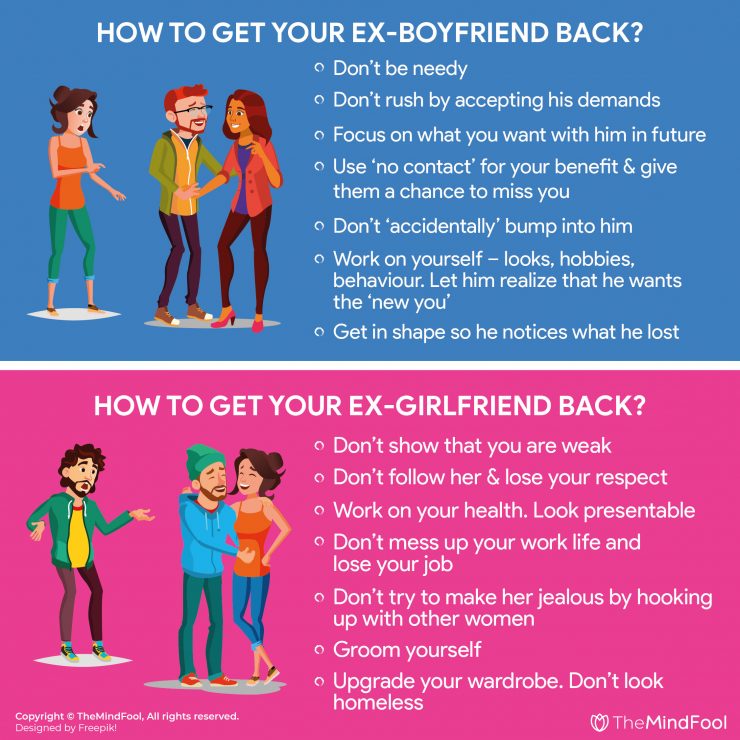
Understanding What Went Wrong to Get My Ex Back

Understanding What Went Wrong to Get My Ex Back

Understanding the Dissolution and the Path to Reconciliation: A Retrospective Analysis of a Failed Relationship

The termination of a romantic relationship is a profoundly complex event, often leaving individuals grappling with a multitude of emotions and unanswered questions. Seeking reconciliation necessitates a thorough understanding of the contributing factors that led to the breakup. This analysis will explore common causes of relationship dissolution, offering a framework for self-reflection and potential strategies for rebuilding a connection, should that be a desired outcome. It is crucial to approach this process with honesty, self-awareness, and a realistic assessment of the situation.

Identifying the Root Causes of the Breakup

Pinpointing the precise reasons for a relationship's demise is a crucial first step in the path toward potential reconciliation. It requires a level of introspection that may be challenging but ultimately essential for personal growth and future relationship success. Rarely is a single factor responsible; instead, a confluence of interconnected issues typically contributes to the breakdown.

Communication Breakdown: The Silent Killer of Relationships

Effective communication is the bedrock of any healthy relationship. When communication falters, misunderstandings fester, resentment builds, and emotional distance widens. This can manifest in several ways:

  • Lack of open and honest dialogue: Avoiding difficult conversations or failing to express needs and feelings honestly can create a chasm of unspoken resentments.
  • Passive-aggressive behavior: Indirect expressions of anger or dissatisfaction, such as silent treatment or subtle manipulation, erode trust and create a climate of negativity.
  • Poor listening skills: Failing to actively listen and understand your partner's perspective undermines their feelings of being valued and understood.
  • Critical and judgmental communication: Constant criticism, negativity, and belittling remarks can create a hostile and unsupportive environment.

Re-establishing communication requires conscious effort. This includes active listening, expressing feelings constructively, and engaging in empathetic dialogue, focusing on understanding rather than judgment.

Conflicting Values and Life Goals

Fundamental differences in values, life goals, and future aspirations can create irreconcilable conflicts. While some differences can be navigated, significant disparities can ultimately strain the relationship beyond repair. Examples include:

  • Discrepancies in career ambitions: Differing career paths or levels of ambition can lead to competing priorities and feelings of resentment.
  • Contrasting views on family and children: Disagreements about having children, desired family size, or parenting styles can create significant tension.
  • Differing financial priorities: Conflicting spending habits, saving styles, or financial goals can lead to arguments and financial stress.
  • Incompatible lifestyles: Significant differences in lifestyle preferences, such as social habits, leisure activities, or levels of personal independence, can cause friction.

Addressing these conflicts requires honest self-reflection and a willingness to understand and potentially compromise on areas of disagreement. However, some fundamental differences may be irreconcilable, signaling incompatibility.

Infidelity and Betrayal of Trust

Infidelity, whether emotional or physical, is a profound breach of trust that can be extremely difficult, if not impossible, to overcome. The violation of trust fundamentally damages the foundation of the relationship, creating deep emotional wounds and fostering feelings of insecurity and betrayal. Reconciliation requires genuine remorse, complete transparency, and a sustained commitment to rebuilding trust, which is a long and arduous process.

External Pressures and Stressors

External factors can significantly impact a relationship's stability. Stressful life events, such as job loss, financial difficulties, family conflicts, or health issues, can place immense strain on a couple. These stressors can exacerbate existing problems or create new ones, leading to increased conflict and emotional distance. Addressing these external stressors effectively and supporting each other through challenging times is crucial for maintaining a strong relationship.

Strategies for Potential Reconciliation

Once the underlying issues have been identified, the focus shifts to strategies for potential reconciliation. This is not a guaranteed outcome, and it necessitates a commitment from both parties. Moreover, reconciliation should not be pursued if it compromises personal well-being or safety.

Open and Honest Communication: The Foundation of Repair

Re-establishing open and honest communication is paramount. This involves creating a safe and respectful space for expressing feelings, concerns, and needs without judgment or defensiveness. Active listening is essential, ensuring that each partner feels heard and understood. Seeking professional guidance from a relationship therapist can provide valuable support in navigating these challenging conversations.

Addressing Underlying Issues: Resolving Core Conflicts

Simply acknowledging problems is insufficient; active steps must be taken to address them. This may involve individual therapy to address personal issues contributing to relationship problems, couples therapy to work through conflicts collaboratively, or a commitment to making significant lifestyle changes to improve the dynamic. Compromise and willingness to adapt are essential.

Rebuilding Trust and Commitment: A Long-Term Endeavor

Rebuilding trust after a breach requires time, patience, and consistent effort. Actions speak louder than words; demonstrating consistent reliability, honesty, and respect are crucial. Transparency and accountability are essential to fostering trust. This may involve making significant changes to behavior and establishing new patterns of interaction.

Setting Realistic Expectations: Understanding the Challenges

Reconciliation is not a quick fix; it is a long and often challenging process. There will be setbacks and periods of doubt. Maintaining realistic expectations and celebrating small victories are important for maintaining momentum. It is crucial to understand that reconciliation is not always possible, and accepting that outcome is vital for personal well-being.

Ultimately, the decision to pursue reconciliation is a deeply personal one. It requires honest self-reflection, a willingness to confront difficult truths, and a commitment to working collaboratively on rebuilding a stronger and healthier relationship. If reconciliation is not possible, prioritizing personal well-being and moving forward with self-compassion is crucial.

Share:

Getting Back Together After a Breakup: What You Need to Know

Getting Back Together After a Breakup: What You Need to Know

Getting Back Together After a Breakup: What You Need to Know

The sting of a breakup can be profound, leaving a trail of heartbreak and uncertainty. But what happens when the embers of love refuse to be extinguished? Reconciliation, while tempting, requires careful consideration and a willingness to confront the underlying issues that led to the separation in the first place. This isn't about magically erasing the past; it's about building a stronger, healthier future together. Jumping back in without thoughtful reflection is a recipe for repeating the same mistakes. This guide explores the crucial steps you must take before even considering rekindling the flame.

Understanding the Reasons for the Breakup

Before you reach out, honestly assess why the relationship ended. Avoid blaming or making excuses. Did communication falter? Were fundamental values incompatible? Did infidelity or betrayal occur? Ignoring these core problems will only lead to a relapse of the same conflicts. Write down your individual contributions to the breakdown. Be brutally honest with yourself. Did you neglect your partner's needs? Did you fail to address unresolved issues? This self-reflection is crucial for genuine growth and for determining if reconciliation is even a viable option.

Identifying Your Roles and Responsibilities

Take ownership of your actions and acknowledge your role in the relationship's demise. This doesn't mean solely focusing on your faults; it's about understanding your contribution to the dynamic and accepting responsibility for your part in the issues. Once you've identified these aspects, you can start to make positive changes.

Addressing the Underlying Issues

Simply missing your ex isn't a sufficient reason to reunite. You must actively address the issues that caused the breakup. Did unresolved anger or resentment fester? Did a lack of trust erode the foundation of your relationship? Seek individual or couples therapy to navigate these complex emotions and develop healthy communication strategies. Therapy provides a safe space to unpack these issues, fostering understanding and empathy. Ignoring these underlying problems guarantees that the same issues will resurface, leading to another, potentially more devastating, breakup.

Seeking Professional Guidance

A therapist can provide a neutral perspective, help you identify unhealthy patterns, and equip you with the tools to navigate conflict constructively. They guide you through difficult conversations and help you build a stronger foundation for your relationship if you choose to reconcile.

Rebuilding Trust and Communication

Trust, once broken, is incredibly difficult to rebuild. If betrayal or infidelity played a role in the breakup, significant effort and time are required to repair the damage. Open, honest communication is paramount. This means active listening, expressing your feelings without blame, and validating your partner's feelings. Consider attending workshops or reading books about effective communication techniques. Gradually rebuilding trust is a marathon, not a sprint, requiring consistent effort and commitment.

Demonstrating Commitment Through Actions

Words alone aren't enough. Your actions must reflect your commitment to change and to rebuilding the relationship. This might involve consistent effort in areas where you previously fell short, actively listening to your partner's concerns, and consistently making choices that prioritize the relationship’s well-being.

Moving Forward: A Cautious Approach

Reconciliation is not a guarantee. Even with significant effort, the relationship might not be salvageable. Be prepared for the possibility that the reunion might not work out, and accept this outcome with grace. Consider setting clear expectations and boundaries for the relationship moving forward. This could include agreeing on specific behavioral changes, improved communication strategies, or setting realistic goals for the relationship's trajectory. Remember, rebuilding a relationship takes time, patience, and a genuine commitment from both partners.

Prioritizing Self-Care

Throughout this process, prioritize your own well-being. Engage in activities that nourish your mental and emotional health. Remember that a strong, healthy relationship starts with a strong, healthy individual. Self-care ensures you are approaching the reconciliation process from a place of strength and resilience. This isn’t about being selfish; it’s about building a foundation that can support a potentially successful relationship.

Share:

Understanding Love Languages to Strengthen Your Bond

Understanding Love Languages to Strengthen Your Bond

Understanding Love Languages to Strengthen Your Bond

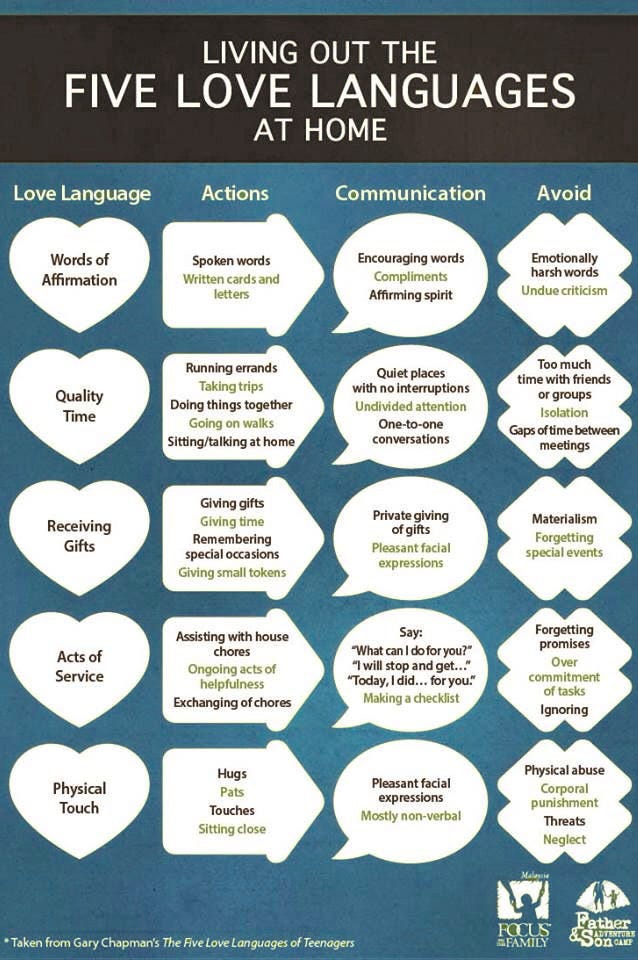
The foundation of any successful and enduring relationship rests upon a bedrock of mutual understanding and effective communication. While verbal communication plays a crucial role, the nuances of expressing and receiving affection often transcend mere words. Dr. Gary Chapman's concept of "Love Languages" provides a valuable framework for understanding how individuals express and experience love, offering a roadmap for strengthening bonds and fostering deeper connection.

This framework posits that individuals primarily express and perceive love through five distinct "languages": Words of Affirmation, Acts of Service, Receiving Gifts, Quality Time, and Physical Touch. Understanding your own love language, as well as that of your partner, is paramount to nurturing a healthy and fulfilling relationship. Failing to recognize and appreciate these individual preferences can lead to misunderstandings, unmet emotional needs, and ultimately, relational strain.

The Five Love Languages: A Detailed Examination

Each love language represents a unique way of expressing and experiencing love. While individuals may exhibit a preference for one primary language, they may also understand and appreciate expressions of love in other languages to varying degrees. It's crucial to remember that this is not a rigid system, but rather a helpful tool for self-reflection and improved communication.

Words of Affirmation

For those whose primary love language is Words of Affirmation, verbal expressions of love, appreciation, and encouragement hold significant weight. This isn't merely about compliments, but encompasses sincere expressions of affection, gratitude, and support. A simple "I love you," a heartfelt thank you, or an encouraging word can profoundly impact individuals who value this language.

Examples of expressing love through Words of Affirmation include:

  • Writing love letters or heartfelt notes.
  • Giving compliments and expressing appreciation.
  • Offering words of encouragement and support during challenging times.
  • Verbally expressing affection and commitment.
  • Leaving positive and encouraging messages.

Acts of Service

Individuals who prioritize Acts of Service demonstrate their love through helpful actions and practical assistance. They show their care not through words or gifts, but through tangible acts that alleviate burdens and lighten the load. These acts are not merely chores, but intentional gestures of love and support.

Examples of expressing love through Acts of Service include:

  • Helping with household chores or errands.
  • Taking on responsibilities to alleviate stress.
  • Offering assistance during times of need.
  • Performing thoughtful gestures to make life easier.
  • Proactively addressing your partner's needs.

Receiving Gifts

The love language of Receiving Gifts isn't about the monetary value of the present, but rather the thoughtfulness and intention behind the gift itself. It signifies that the giver took the time and effort to select something meaningful, demonstrating their care and consideration. The gift itself serves as a tangible reminder of the giver's affection.

Examples of expressing love through Receiving Gifts include:

  • Giving thoughtful and personalized gifts.
  • Presenting small tokens of affection.
  • Surprising your partner with a small gift.
  • Remembering special occasions and anniversaries.
  • Selecting gifts that reflect your partner's interests.

Quality Time

For those who value Quality Time, undivided attention and focused engagement are paramount. It's about creating meaningful moments together, free from distractions, where genuine connection and shared experiences are prioritized. This signifies a deep commitment to spending valuable time together, fostering intimacy and strengthening the bond.

Examples of expressing love through Quality Time include:

  • Scheduling dedicated time for uninterrupted conversation.
  • Engaging in shared activities and hobbies.
  • Planning special dates and outings.
  • Putting away distractions and focusing solely on your partner.
  • Having meaningful conversations and actively listening.

Physical Touch

Physical Touch encompasses a wide range of affectionate gestures, from holding hands and cuddling to more intimate expressions of love. This love language emphasizes the importance of physical closeness and affection as a means of expressing care and connection. The physical touch conveys comfort, security, and intimacy.

Examples of expressing love through Physical Touch include:

  • Holding hands, hugging, and cuddling.
  • Giving massages or back rubs.
  • Kissing and other forms of physical affection.
  • Physical closeness and intimacy.
  • Non-sexual touch like a hand on the shoulder or arm.

Identifying Your Love Language and Your Partner's

Understanding your own love language is a crucial first step. Reflect upon how you most naturally express and receive love. Consider what makes you feel truly cherished and appreciated. There are numerous online quizzes and assessments available to assist in this process.

Once you've identified your own love language, focus on understanding your partner's. Observe their actions, their reactions to your expressions of love, and their verbal cues. Open and honest communication is essential. Engage in conversations about how you both feel loved and appreciated. Be mindful of how your expressions of love are being received, and be willing to adapt your approach accordingly.

Bridging the Gap: Using Love Languages to Enhance Your Relationship

Recognizing discrepancies in love languages can be a source of conflict. If one partner primarily expresses love through Acts of Service while the other values Words of Affirmation, the former may feel unappreciated, while the latter may feel unloved. This is where intentional effort and understanding come into play.

The key is to learn to speak each other's love languages, even if it's not your natural inclination. Make a conscious effort to express love in ways your partner will understand and appreciate. It's about expanding your repertoire of expressing affection, rather than solely relying on your preferred method. This demonstrates empathy, consideration, and a commitment to nurturing the relationship.

Conclusion: A Foundation for Lasting Love

Understanding and utilizing the concept of Love Languages is not a quick fix for relational problems, but rather a powerful tool for building a stronger, more fulfilling relationship. It requires self-awareness, empathy, and a commitment to intentional communication. By learning to speak each other's love languages, couples can cultivate deeper intimacy, strengthen their bond, and create a foundation for lasting love. The effort invested in understanding this framework will yield significant rewards in fostering a relationship built on mutual understanding, appreciation, and enduring connection.

Remember, the journey of understanding and applying love languages is an ongoing process. Continuous self-reflection, open communication, and a willingness to adapt and grow together are vital components in cultivating a relationship that thrives on mutual love and respect.

Share:

Gifts and Tokens of Love: Thoughtful and Meaningful Presents

Gifts and Tokens of Love: Thoughtful and Meaningful Presents

Gifts and Tokens of Love: Thoughtful and Meaningful Presents

So, you're looking for the perfect gift? That's awesome! Finding the right present is all about showing someone you care, and it’s way more than just the price tag. It's about finding something that truly resonates with them, something that speaks to your relationship and makes them feel loved and appreciated. Let's dive into the world of thoughtful gifts â€" because sometimes, the smallest gesture can mean the most.

Understanding the Recipient: The Key to a Perfect Gift

Before you even start browsing online shops or hitting the malls, take a moment to truly think about the person you're buying for. What are their hobbies? What are their passions? What kind of things do they already own? What are their current needs or wants? Knowing your recipient is the most important step in choosing a truly meaningful gift.

Consider Their Personality

Are they introverted and prefer quiet nights in, or are they extroverted and love being the center of attention? Are they practical and prefer useful gifts, or are they sentimental and cherish things with personal meaning? Tailoring your gift to their personality will make it much more special.

Think About Their Lifestyle

Do they love to cook? Are they avid travelers? Do they enjoy spending time outdoors? Understanding their lifestyle helps you find gifts that seamlessly integrate into their daily lives and enhance their experiences.

Remember Shared Memories

What are some special memories you've shared? A trip you took together? A joke only you two understand? A favorite song? These memories can inspire incredibly unique and personal gifts that hold special significance.

Experiences Over Things: Creating Lasting Memories

Sometimes, the best gifts aren't material possessions at all. Experiences create lasting memories and strengthen bonds in a way that a physical gift simply can't. Consider these options:

  • A weekend getaway: A change of scenery can be incredibly refreshing and create cherished memories.
  • Tickets to a concert or show: If they have a favorite band or performer, this is a fantastic way to show you pay attention to their interests.
  • Cooking class together: Learn a new skill and enjoy a delicious meal at the same time!
  • Hot air balloon ride: A truly unforgettable and romantic experience.
  • Wine tasting tour: Perfect for those who appreciate fine wine and good company.

The possibilities are endless! Think about shared interests and create an experience tailored just for the two of you (or the whole group, if appropriate).

Personalized Presents: Adding a Personal Touch

Adding a personal touch to a gift elevates it from simply being a present to being a treasured keepsake. Consider these ideas:

  • Custom-made jewelry: Engrave a necklace with their initials, a special date, or a meaningful quote.
  • Photo album or scrapbook: Compile cherished memories in a beautiful and personalized album.
  • Personalized phone case: A practical gift with a unique and personal touch.
  • Handwritten letter: In a digital world, a handwritten letter expressing your feelings is incredibly precious.
  • Custom portrait: Commission an artist to create a unique portrait of your loved one, their pet, or a special place.

These personalized gifts demonstrate that you put thought and effort into selecting something special just for them.

Gifts Based on Interests and Hobbies

This is where your knowledge of the recipient truly shines! If they are passionate about something, a gift related to their hobby shows that you pay attention to their interests and support their passions.

For the Bookworm:

A signed first edition, a gift certificate to their favorite bookstore, a cozy reading blanket, or a beautiful bookshelf.

For the Foodie:

Gourmet food basket, cooking classes, a high-quality chef's knife, a subscription to a meal kit service.

For the Gardener:

New gardening tools, beautiful pots and planters, seeds for their favorite flowers, a gardening book.

For the Techie:

The latest gadget, noise-canceling headphones, a smart home device, a subscription to a streaming service.

For the Artist:

High-quality art supplies, a new sketchbook, a course in their favorite art form, a visit to an art museum.

Remember to consider the quality of the gift. It's better to invest in a high-quality item that will last than to buy something cheap and disposable.

The Power of Thoughtful Gestures

Sometimes, the most meaningful gifts aren't big or expensive. A small gesture that shows you care can be just as powerful, if not more so. Think about:

  • A heartfelt card: Express your feelings in a personal and heartfelt message.
  • A home-cooked meal: Show your love through the gift of food.
  • Offering to help with a chore: A simple act of service can mean the world.
  • Spending quality time together: Sometimes, the best gift is your undivided attention.

These small acts of kindness demonstrate your love and care in a deeply meaningful way.

Commonly Asked Questions

Q: What if I'm on a tight budget?

A: Don't worry! Thoughtful gifts don't have to be expensive. Focus on the personal touch â€" a handwritten letter, a homemade treat, or a curated playlist of their favorite songs can be incredibly meaningful.

Q: What if I'm not sure what they want?

A: Ask! Subtly inquire about their interests or needs. You can also gift an experience like a gift certificate to a restaurant or a spa day, which gives them the freedom to choose something they truly enjoy.

Q: What if they already have everything?

A: Consider experiences, charitable donations in their name, or a personalized gift that reflects a shared memory or inside joke. Sometimes, the most meaningful gifts are those that are completely unexpected.

Q: When should I start shopping for gifts?

A: The earlier the better! This allows you to avoid last-minute stress and to find something truly special. Plus, you might find great deals if you shop early!

Ultimately, the best gifts come from the heart. They reflect your understanding of the recipient, your appreciation for your relationship, and your desire to make them feel loved and appreciated. So, take your time, put some thought into it, and you'll find the perfect gift to show your love!

Share:

5 Reasons to Reconsider Getting Back with Your Ex

5 Reasons to Reconsider Getting Back with Your Ex

5 Reasons to Reconsider Getting Back with Your Ex

The allure of rekindling a past relationship can be powerful. The familiarity, the shared history, the lingering feelings â€" these can all create a compelling narrative that whispers promises of a happier, second chance. However, before surrendering to nostalgia and the potential for emotional whiplash, a careful and objective assessment is crucial. Rushing back into a relationship without critically examining the reasons for its initial demise can lead to repeated disappointment and even exacerbate existing wounds. This article will explore five compelling reasons to carefully reconsider a reconciliation with a former partner.

1. The Underlying Issues Remain Unresolved

Perhaps the most significant reason to hesitate before reuniting with an ex is the persistent presence of unresolved issues that led to the initial breakup. Simply rekindling the romance without addressing these fundamental problems is akin to applying a band-aid to a gaping wound; the underlying infection will fester and eventually burst through, leading to a more painful and potentially irreparable rupture.

Identifying and Confronting the Root Causes

Before considering reconciliation, a thorough introspection is necessary. What were the fundamental flaws that ultimately led to the relationship's termination? Were there significant communication breakdowns? Did incompatible values or life goals create irreconcilable differences? Were there instances of infidelity, abuse, or consistent disrespect? These are critical questions that require honest and unflinching answers. Often, couples gloss over these issues, hoping that rekindling the romance will magically solve them. This rarely happens. In fact, ignoring underlying problems typically exacerbates them, leading to increased resentment and conflict.

The Danger of Repeating Past Mistakes

Human nature often dictates that we repeat past patterns unless we actively work to change them. If the core issues that caused the initial breakup remain unaddressed, the probability of repeating the same mistakes is exceptionally high. The relationship dynamic will likely revert to its previous dysfunctional state, leading to frustration, disappointment, and the eventual, painful realization that nothing has fundamentally changed. A successful reconciliation requires a commitment to actively addressing the root causes of the separation, not merely ignoring them and hoping for a different outcome.

2. Lack of Significant Personal Growth Since the Breakup

Relationships are often mirrors, reflecting back to us our strengths and weaknesses. A breakup can serve as a catalyst for personal growth, providing an opportunity for self-reflection, introspection, and the development of healthier coping mechanisms. If neither partner has undergone significant personal growth since the separation, attempting a reconciliation is likely to reproduce the same dynamics that led to the initial failure.

Evaluating Individual Progress and Maturity

Have you taken time to understand your own contributions to the relationship's demise? Have you worked on addressing any personal shortcomings, emotional insecurities, or negative patterns of behavior? Similarly, has your ex demonstrably changed? Has he or she addressed their own shortcomings and worked towards becoming a more mature and responsible individual? A successful reunion requires demonstrable individual growth and a sincere commitment to self-improvement. Without this fundamental change, the likelihood of a successful and lasting relationship remains low.

The Illusion of Change without Action

Simply expressing a desire for change is insufficient. Genuine personal growth requires tangible actions. This might involve therapy, self-help initiatives, or other proactive steps to address personal challenges. If your ex expresses a desire for reconciliation without demonstrably showing concrete evidence of personal growth and change, it is wise to proceed with caution. Words alone are often empty promises, devoid of substance and commitment to lasting change.

3. External Pressures and Unrealistic Expectations

Sometimes, the decision to reconcile is influenced by external pressures rather than a genuine desire for a healthy relationship. Friends, family, or even societal expectations can create an environment where getting back together feels like the only acceptable option, regardless of the underlying realities. Similarly, unrealistic expectations, fueled by nostalgia and idealized memories of the past, can cloud judgment and lead to disappointment.

Identifying External Influences

It's essential to evaluate the motivations behind the desire to reconcile. Are you genuinely seeking a healthy relationship based on mutual respect and understanding, or are external factors driving this decision? Are you succumbing to the pressure of others, or are you clinging to the past out of fear of loneliness or the unknown? Honest introspection is vital to distinguishing between genuine desire and external pressure.

The Trap of Idealized Memories

Memories often soften with time, transforming unpleasant experiences into romanticized recollections. We tend to focus on the positive aspects while conveniently overlooking the flaws and challenges that ultimately led to the relationship's end. This rosy view of the past can create unrealistic expectations for the future, leading to inevitable disappointment when the reality fails to live up to the idealized memory.

4. Lack of Clear Communication and Mutual Commitment

Open and honest communication is the cornerstone of any successful relationship, and this is particularly crucial when considering a reconciliation. Without clear communication, misunderstandings, resentment, and unresolved conflicts will inevitably resurface, jeopardizing the possibility of a healthy, lasting relationship.

The Importance of Transparent Dialogue

Before rekindling the relationship, both partners need to engage in open and honest conversations about the reasons for the breakup, the changes they have made since the separation, and their expectations for the future. This dialogue needs to be free from blame and defensiveness, focusing instead on shared responsibility and a commitment to building a healthier dynamic. If such open and honest communication is absent, it is a strong indicator that the relationship is unlikely to succeed.

Defining Expectations and Boundaries

Both partners must clearly define their expectations and boundaries for the renewed relationship. What have they learned from the past? What are their non-negotiables? What compromises are they willing to make? Without a shared understanding and mutual agreement on these fundamental aspects, the relationship is likely to repeat the same patterns of conflict and dissatisfaction that led to its initial demise.

5. Fear of Being Alone

Sometimes, the desire to reconcile stems not from genuine love or a desire to rebuild the relationship, but rather from a fear of being alone. This fear can cloud judgment and lead to a hasty decision that ultimately proves detrimental. Reconciling out of fear of solitude is rarely a recipe for success.

Distinguishing Between Love and Fear

It's crucial to differentiate between genuine feelings of love and the fear of loneliness. Is the desire to reconcile rooted in a genuine connection and a shared vision for the future, or is it driven by a desperate need to avoid the discomfort of being single? Honest self-reflection is crucial to identifying the true motivations behind the decision to reconcile.

Prioritizing Personal Well-being

A healthy relationship should enhance personal well-being, not detract from it. If reconciling with an ex is driven by fear rather than genuine love and mutual respect, it is likely to perpetuate feelings of insecurity and dissatisfaction. Prioritizing personal well-being and focusing on self-love and independence are often more beneficial in the long run than rushing into a potentially damaging relationship out of fear.

In conclusion, while the allure of reuniting with a former partner can be strong, it is imperative to approach the decision with caution and a critical eye. Carefully considering these five reasons â€" unresolved issues, lack of personal growth, external pressures, inadequate communication, and fear of being alone â€" can help prevent a repeat of past mistakes and pave the way for healthier, more fulfilling relationships in the future.

Share:

Search This Blog

Powered by Blogger.

Blog Archive

Long Distance Relationships: Reconnecting with Your Ex

Reconnecting with an Ex After a Long-Distance Relationship: Navigating the Complexities Long-distance relationships (LDRs) present uniqu...

Blog Archive

Recent Posts

Theme Support